
Saskatchewan’s justice minister says an unlicensed cannabis store on Indigenous land northeast of Regina is illegal.
Posts published in “Government Laws”
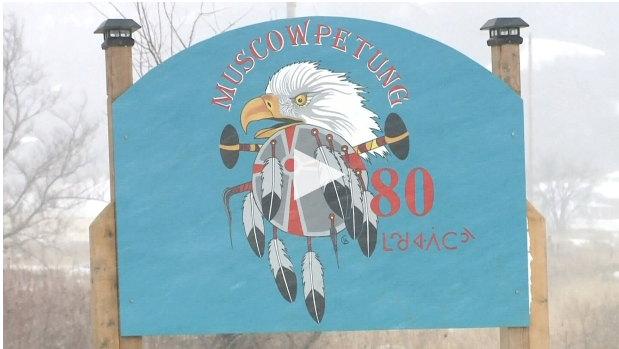
Muscowpetung First Nation will open the doors to its own marijuana dispensary under its own cannabis act, the Muscowpetung First Nation Cannabis/Hemp Act.
A new cannabis shop near the Manitoba-Saskatchewan border is set to be Canada’s first federally legal marijuana outlet on FirstNations territory.
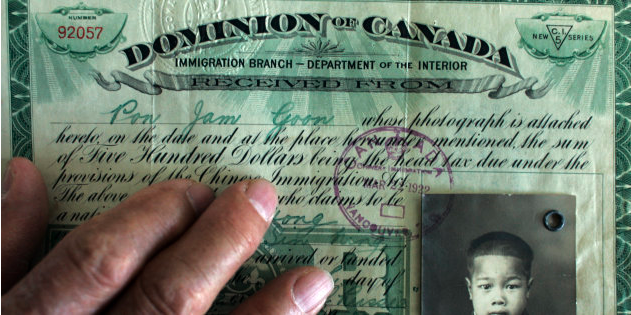
Reversing drug prohibition and legalizing cannabis is a historic feat. But as Boyd points out, before we turn the chapter, drug prohibition needs to be “understood as a social justice and human rights issue. The question is how will the government address the historic violence and injustice of drug prohibition?”…
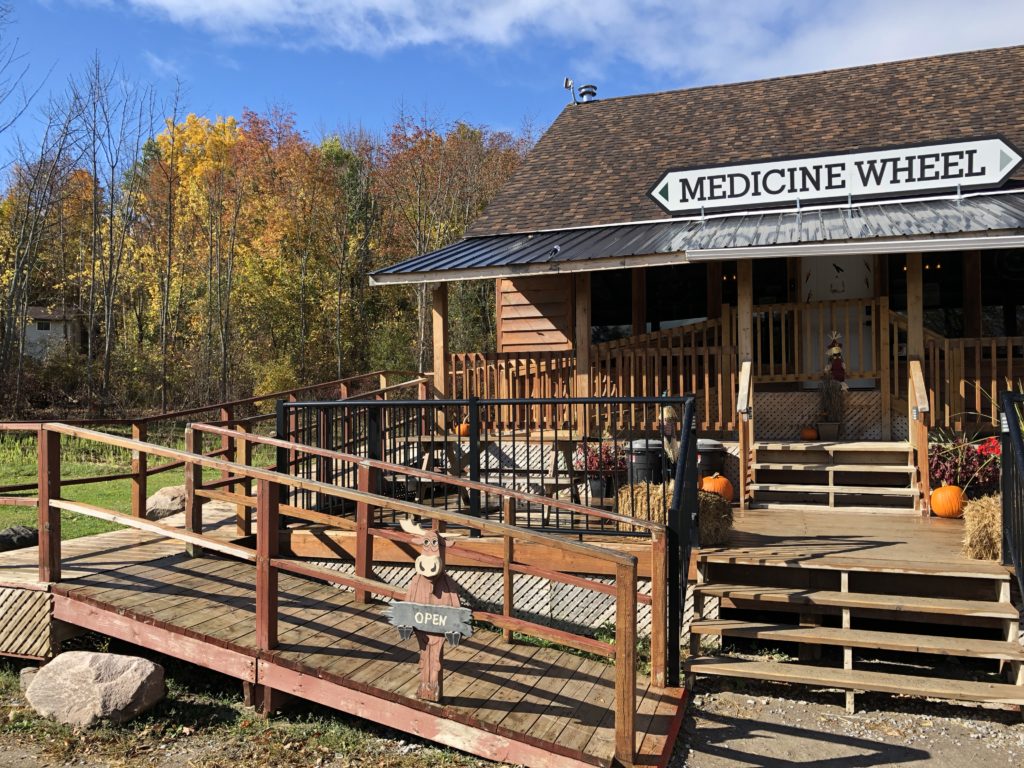
Medicine Wheel was the first cannabis dispensary to open on Alderville’s “Mashkiki Trail” or “Green Mile.” It is a state-of-the-art dispensary, testing site, and production facility established by Alderville First Nation member Rob Stevenson. Inspired by the growth of cannabis dispensaries in nearby Tyendinaga Mohawk Territory, Medicine Wheel opened its doors on June 21st, 2017.
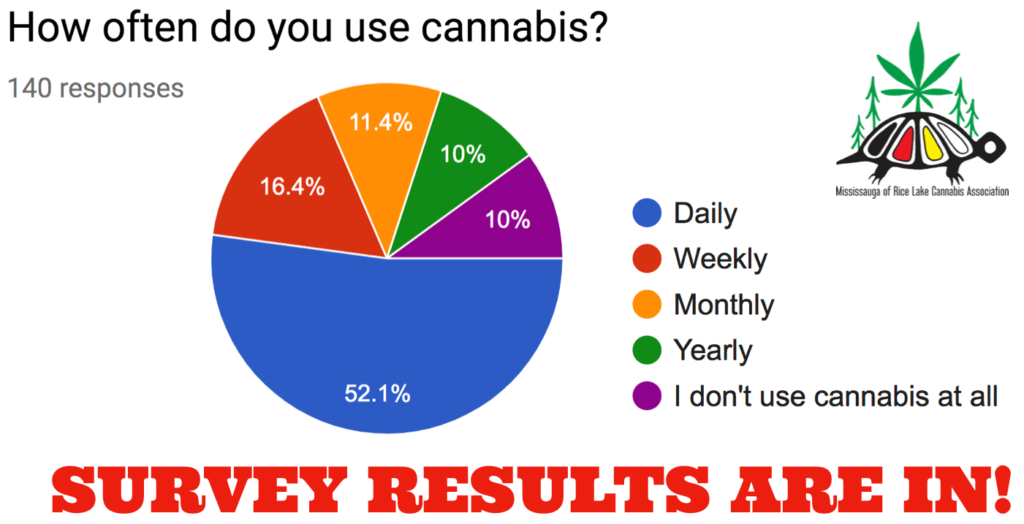
The results of the Alderville Cannabis Survey are now in. The survey, which was run by the Mississauga of Rice Lake Cannabis Association, asked Alderville First Nations members their views on the cannabis plant and its regulation in their community. 142 people filled out the survey over the one-month period…
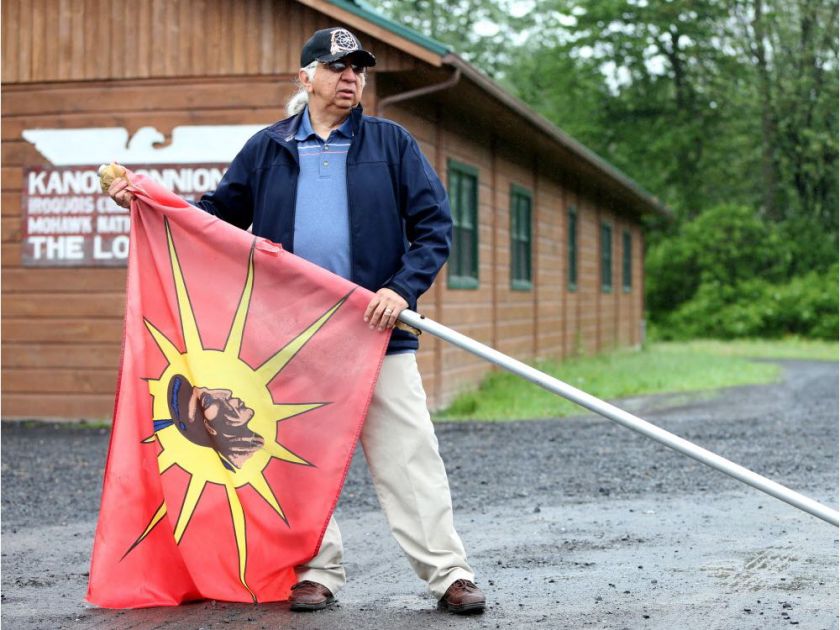
“It is not in our culture, it is not in our traditions to use something like (cannabis). We call those substances mind-changers,” says Kenneth Deer, a member of the Kahnawake Longhouse. “We’re fine with the use of cannabis for medicinal purposes, but not recreational.” Deer is a Mohawk traditionalist and views the…
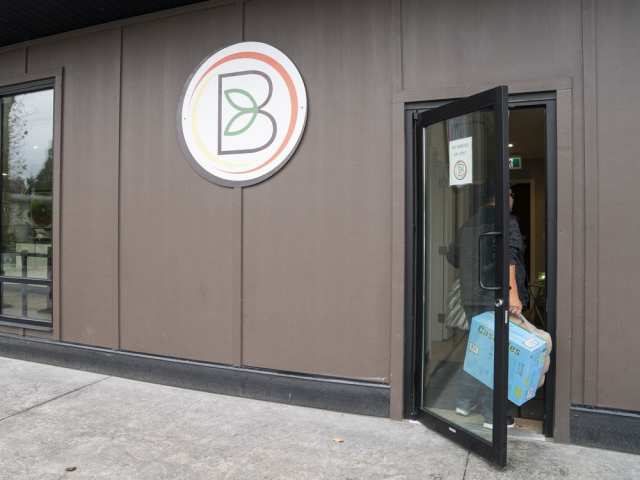
The Kwaw-Kwaw-Apilt First Nation near Chilliwack has written its own cannabis law to replace the federal Cannabis Act and licensed its own cannabis store on reserve land.
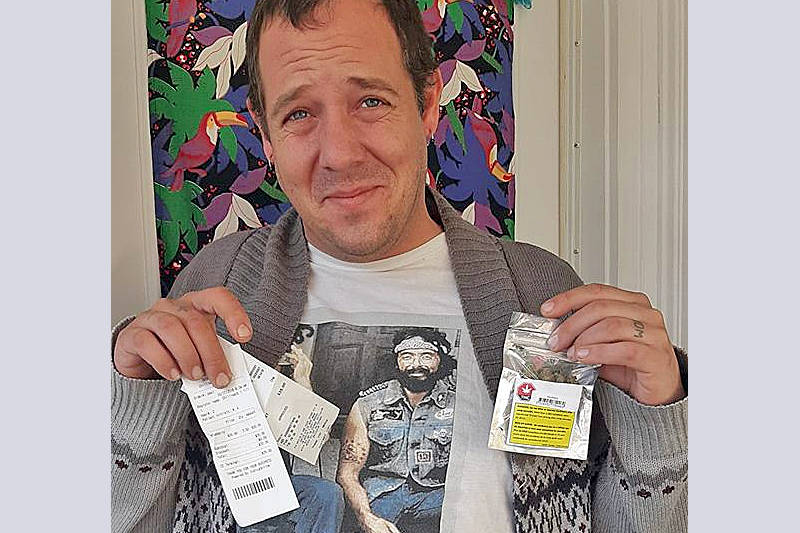
“Proud to be Chilliwack’s FIRST legal retail Marijuana customer on this Oct 17, 2018!” he posted on a local Facebook group, along with a photo of him wearing a Cheech and Chong T-shirt holding his receipt and his purchase. “Congratulations Canada!!!”
The Mohawk community will now move forward with its own plan to license and regulate the sale of cannabis within its borders. The South Shore community rejected Ottawa’s cannabis legislation earlier this month, opting instead to create its own laws governing the growth and sale of legal weed in Kahnawake. Christopher…