
From NUG Magazine by Steve January 30 2026
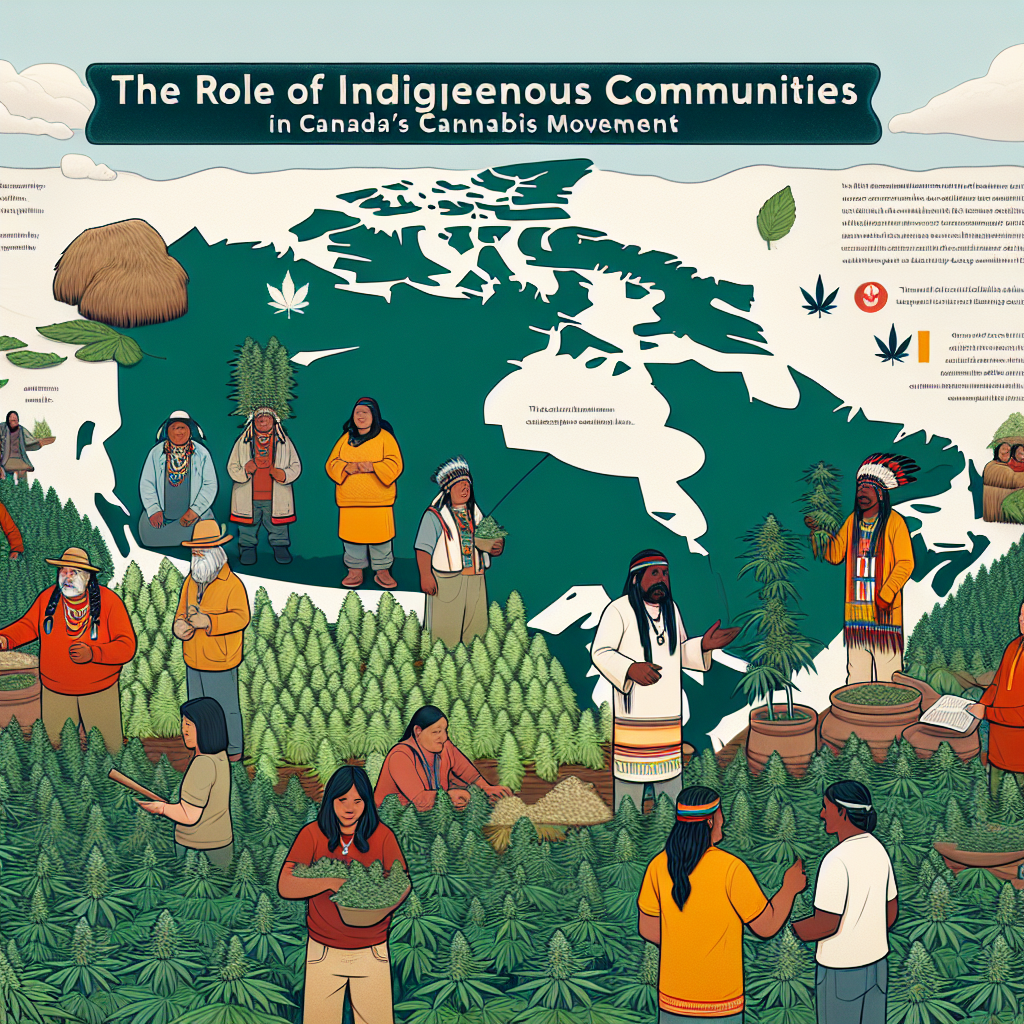
The Role of Indigenous Communities in Canada’s Cannabis Movement and Its Influence on the United States
In recent years, the cannabis movement has evolved remarkably, especially in Canada, with the legalization of recreational marijuana in 2018 marking a significant shift in public policy. This transition has opened up various channels of economic opportunity, social justice, and self-determination, particularly for Indigenous communities. As these communities continue to carve their space within the legal cannabis market, they also serve as important voices in shaping discussions about cannabis in the United States, where legalization efforts are still underway. Understanding the unique position of Indigenous peoples in Canada’s cannabis sector not only underlines their pivotal role in this transformative movement but also serves as a model for similar communities south of the border.
Indigenous Rights and Cannabis: A Historical Context
The relationship between Indigenous peoples and cannabis is complex and deeply rooted in history. For centuries, various Indigenous groups have cultivated plants for medicinal and ceremonial purposes. However, the onset of colonialism brought about prohibitive laws, criminalizing the use of traditional plants, including cannabis. The legalization movement has provided a unique opportunity to re-establish these practices in a manner that aligns with Indigenous values and economic aspirations.
The Supreme Court of Canada’s recognition of Indigenous sovereignty has further empowered these communities to engage in cannabis production and sales. According to a recent report from the Assembly of First Nations, over 70 First Nations in Canada have entered the cannabis market, viewing it as a lucrative opportunity to gain financial independence and self-sufficiency. Moreover, these communities are increasingly advocating for policies that respect their traditional rights and allow them to benefit from the economic possibilities presented by cannabis.
Economic Empowerment Through Cannabis
As Indigenous communities venture into the cannabis business, they are not only pursuing economic benefits but also social justice. Many of these communities are utilizing cannabis revenues to fund essential programs in health, education, and housing. For example, the Little Brown Jug facility in Manitoba, owned by the Long Plain First Nation, has generated significant revenue, allowing the community to reinvest in vital local services.
However, the economic landscape is not without its challenges. Indigenous cannabis businesses often face legal hurdles and discrimination when trying to compete in an industry that has historically marginalized their rights. The lack of access to conventional banking and financing due to federal laws complicates their ability to scale operations. Despite these obstacles, successful Indigenous-run cannabis enterprises serve as a blueprint for economic empowerment, demonstrating how communities can reclaim control over their economic destinies.
Shaping Legislative Frameworks
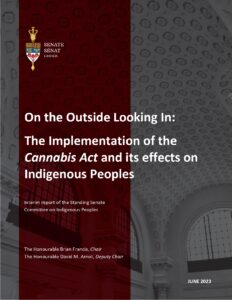
Indigenous advocates have played a crucial role in shaping cannabis-related legislation in Canada. Their experiences and unique perspectives have prompted discussions around equitable access and regulation. The inclusion of Indigenous perspectives in legal frameworks is increasingly recognized as essential for successful implementation. For instance, the Cannabis Act’s recent amendments take into account Indigenous populations’ rights, allowing for self-regulated frameworks that reflect their traditional governance systems.
In the U.S., the approach to cannabis legislation varies by state, and many Indigenous communities are following closely. For example, the federal recognition of tribal sovereignty enables Indigenous nations to operate cannabis businesses independently, though this leaves them vulnerable to state laws. In states like California and Washington, Indigenous tribes are advocating for legislative changes that would allow them to pursue similar economic opportunities enjoyed by their Canadian counterparts.
Cultural Revival and Identity
Beyond economic aspects, the cannabis movement offers Indigenous communities a platform for cultural revival. By rekindling traditional practices around cannabis cultivation and use, these communities foster a sense of identity and pride. The act of growing cannabis serves as a means of reconnecting with ancestral traditions, especially for those communities that have historically been disconnected from their land due to colonial policies.
The emergence of products that emphasize traditional knowledge and sustainable practices is gaining recognition in markets across North America. The use of Indigenous branding, storytelling, and partnerships are becoming prevalent as companies seek to differentiate themselves in the competitive cannabis landscape. This cultural revitalization magnifies the importance of Indigenous narratives, not just as a commercial strategy, but as a celebration of heritage.
A Vision for Collaborative Future
As Canada’s cannabis movement continues to evolve, the collaboration between Indigenous communities and non-Indigenous stakeholders becomes increasingly crucial. Successful partnerships can lead to a more inclusive market that recognizes the historical injustices experienced by Indigenous peoples. By fostering collaboration, other sectors—such as agriculture, tourism, and education—may also benefit, creating diverse economic opportunities.
The influence of Indigenous communities in Canada could serve as an inspiration for similar movements in the United States where many states are still grappling with varying degrees of cannabis legalization. In states like New Mexico and Michigan, Indigenous voices are pushing for laws that favor not just economic benefits but also acknowledge historical land claims and cultural rights.
Conclusion: Reflecting on the Path Forward
The role of Indigenous communities in Canada’s cannabis movement is multifaceted, showcasing a unique blend of economic empowerment, cultural revival, and political advocacy. As these communities navigate the complexities of the cannabis landscape, they continue to set an example for their counterparts in the United States. The lessons learned from Canada’s experience highlight the importance of integrating Indigenous perspectives into legislation, thereby creating a more equitable framework that recognizes their rights and fosters economic opportunities.
As discussions around cannabis continue to unfold across North America, it is imperative to observe the voices and practices of Indigenous communities. Their story is not simply one of economic gain but a powerful narrative of resilience, identity, and rightful ownership. The cannabis movement holds the potential to not only generate revenue but also to heal historical wounds, foster reconciliation, and pave the way for a just and inclusive future. As we collectively explore these possibilities, we must acknowledge that the ongoing journey of Indigenous communities is one that merits our respect, understanding, and active support.




























Comments are closed.