
From CBC by Taryn Grant January 9 2026
RCMP say cannabis and human trafficking are significant issues, but no evidence of a connection
Watch a video of this story here.
Nova Scotia’s two largest police forces say they don’t see direct connections between human trafficking and the unregulated cannabis market in the province.
Premier Tim Houston and Justice Minister Scott Armstrong deny having “directly” tied the two issues, however both have referred to human trafficking when discussing why they are directing police to intensify their action against unregulated cannabis.
In a recent interview with CBC News, RCMP Supt. Jason Popik said he counts both cannabis and human trafficking as significant issues in Nova Scotia but he has seen no evidence to suggest the two issues are linked.
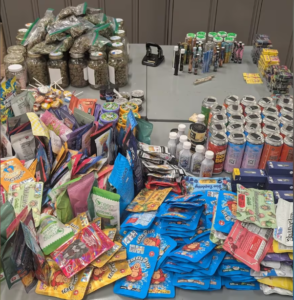
Popik is the district officer in charge of southwest Nova Scotia and was the driving force behind a wave of raids and seizures of illegal dispensaries in 2025.
“I’ve never heard of it,” said Popik. “I haven’t seen a connection between human trafficking and marijuana.”
Halifax Regional Police said in a statement that it “is not investigating any files where human trafficking and unregulated cannabis sales are connected.”

The head of the YWCA Halifax said workers on the front lines of supporting survivors of human trafficking also have not seen the connection.
“The people who are engaged in illegal drug trafficking are often also involved in human trafficking,” said Miia Suokonautio. “However, as it relates to cannabis or marijuana, that’s not something that we’ve seen.”
Suokonautio said she’s glad human trafficking is getting attention, but the issue has to be presented accurately in order to deal with it appropriately.
“Cannabis dispensaries and human trafficking — if we haven’t seen a connection between them, then you’re potentially using public interest to address human trafficking on an initiative that isn’t the best place to put your energy and effort,” she said in an interview.
“We would rather see, if you really want to make an impact on human trafficking … better supports around poverty, child welfare, rural isolation and transportation, early detection and intervention, financial supports for low-income families.”
- N.S., Ontario had highest rates of human trafficking in 2024: StatsCan
- RCMP not aware of fentanyl in illegal cannabis in Nova Scotia, despite premier’s claims
In a lengthy statement, the premier’s office said he “has never directly tied human trafficking to illegal dispensaries,” but rather he has said that illegal dispensaries provide revenue to organized crime. This, in turn, furnishes other serious criminal activity, the statement said.
“When a problem exists at the magnitude that human trafficking does in the province, action must be quick,” said press secretary Catherine Klimek. “So if there is a whisper that trafficking is happening somewhere, we will always act in whatever way we can to stop it.”
The Department of Justice provided a statement with the same justification for Armstrong’s comments.
In December, when taking questions from reporters about his government’s new cannabis directive, Houston said he has “massive concerns” about “the organized crime element.”
“Where does everybody think the money is going?” he said
“I’ll read a story in the mainstream media about how terrible it is, the human trafficking situation. And it is awful. It is awful what’s happening with human trafficking in the province and across the country,” Houston said.
“I’m just telling you that Nova Scotians are tired of it and they want somebody to stand up against this. And we are the voice for those people who are afraid to stand up.”
- The NSLC had a deal for a Mi’kmaq-run cannabis shop, but the band is tapping the brakes
- Mi’kmaq chiefs, former attorney general disappointed with N.S. cannabis directive
Armstrong took questions immediately after the premier that day, and while on the topic of cannabis he brought up Nova Scotia’s “very high rate of human trafficking.”
He said that one of the aims of directing a cannabis crackdown was “to keep the proceeds out of the hands of organized crime who use it for other nefarious activities like human trafficking.”
The Department of Justice also lumped the two issues together when it first announced the directive in early December. It said in a news release that illegal dispensaries are “creating opportunities for organized crime, money laundering and even human trafficking.”
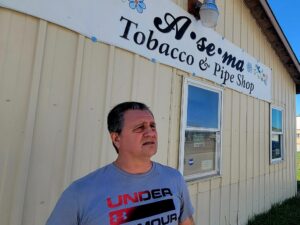
Mi’kmaw leaders have decried the directive as a targeted attack on their communities and say they have not been adequately consulted on the issue.
Some owners of unauthorized stores assert they have a treaty right to sell cannabis, similar to the rights that have been asserted in the lobster and baby eel fisheries.
Last year a provincial court judge rejected a constitutional argument from defendants who said cannabis legislation did not apply to them based on Indigenous and treaty rights. The judge said she would welcome a stronger argument on the issue.








Comments are closed.