
From NUG Magazine by Steve May 2 2026
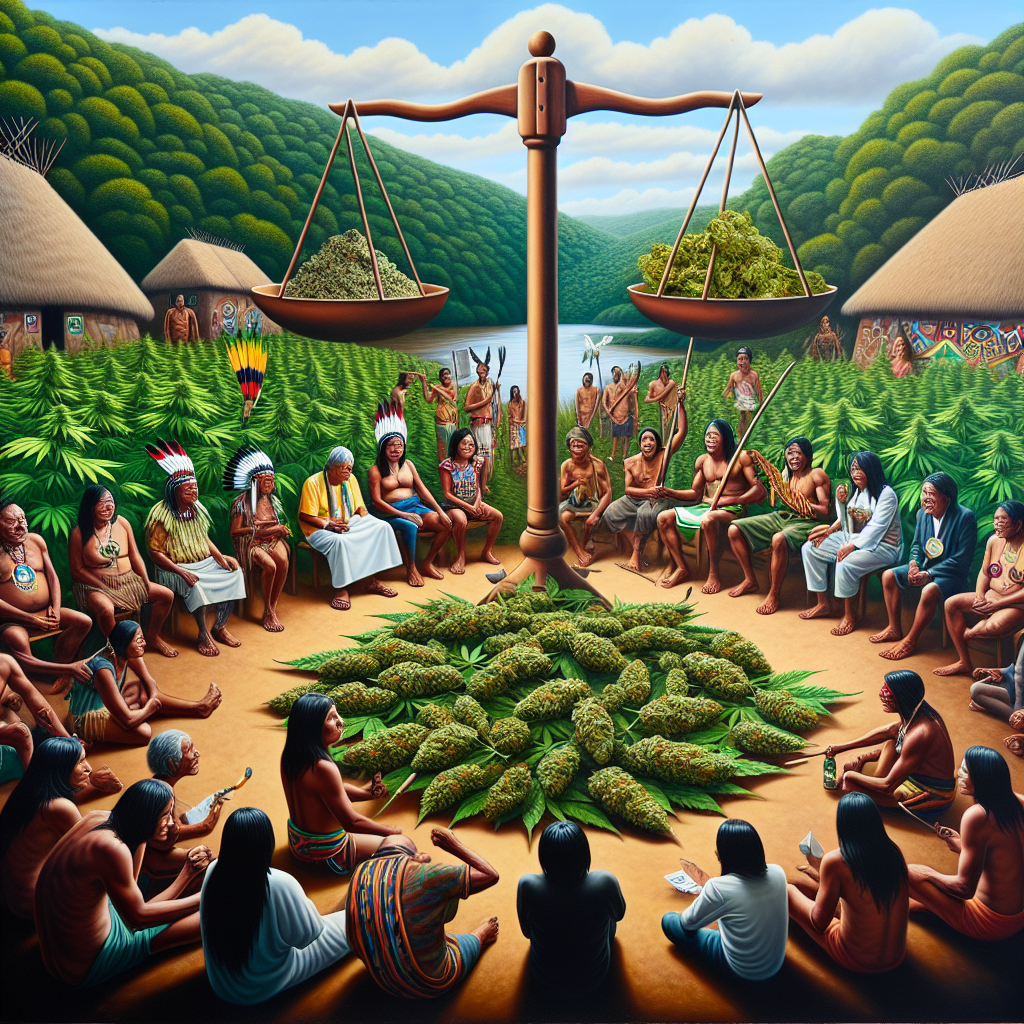
As the landscape of cannabis legalization continues to evolve across the United States, Indigenous communities are becoming significant players in the discussion, increasingly shaping policies not only for their own benefit but also as a broader response to historical injustices. While many states have moved towards legalization, the unique legal status of tribal nations positions them at the crossroads of federal, state, and local laws, giving rise to both opportunities and challenges. This article will explore how Indigenous communities are influencing cannabis policies today and the implications for the future.
Historical Context
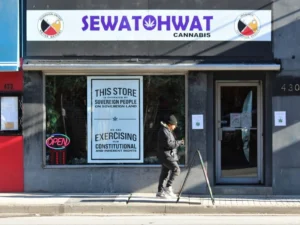
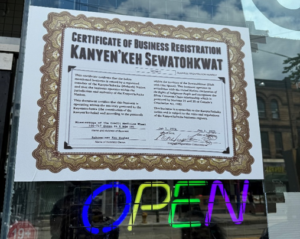
The relationship between Indigenous peoples and cannabis is complex, interwoven with histories of colonialism, sovereignty, and cultural practices. Historically, many tribes have faced criminalization and marginalization in various aspects, including their relationship with cannabis. In recent years, however, some tribes have sought to reclaim their rights to cultivate and sell cannabis, viewing it not only as an economic opportunity but also as a way to assert their sovereignty. In fact, the legal framework surrounding cannabis varies significantly by state, but tribes have the ability to operate outside state jurisdiction, provided they comply with federal laws.
For instance, in 2014, the U.S. Department of Justice issued the Cole Memo, which outlined guidelines under which tribes could cultivate and sell cannabis. This memo clarified that as long as tribes followed specific protocols, they could operate their cannabis businesses without fear of federal intervention. This pivotal moment marked a turning point, inspiring numerous tribes to explore cannabis as an avenue for economic development.
Current Developments
Today, various Indigenous communities are moving forward with cannabis-related businesses. The Oglala Sioux Tribe in South Dakota has been particularly proactive, with plans to establish a cannabis dispensary on their reservation. Their approach aims not just to profit but also to address issues such as unemployment and health disparities within their community. The tribe’s leadership recognizes that cannabis can serve as a revenue stream to fund essential services, such as healthcare and education, which have historically faced budget constraints.
Similarly, the Santa Rosa Band of Cahuilla Indians in California made headlines when they opened their own legal cannabis dispensary in 2021. This move is significant in a state that has seen a complex relationship with cannabis, balancing culturally rich practices with business opportunities. The tribe has used the revenue generated from cannabis sales to support social programs and community health initiatives, further demonstrating the potential of cannabis as a tool for empowerment.
As these initiatives gain momentum, they are attracting attention from other tribal nations and communities looking to implement similar strategies. Furthermore, as the dialogue around cannabis continues to shift towards acceptance, Indigenous communities are positioned to take a lead in shaping future policies, thereby influencing the national conversation on cannabis economy and regulation.
Challenges and Barriers
Despite these advancements, Indigenous communities face numerous challenges in the cannabis sector. One of the most significant hurdles is navigating the complex legal landscape that includes both state and federal regulations. For instance, while many states have legalized cannabis, it remains classified as a Schedule I substance at the federal level. This dichotomy creates uncertainty for tribes that wish to enter the cannabis industry, as they must tread carefully to avoid potential legal repercussions.
Additionally, tribal nations often lack the financial resources or technical expertise to adequately start and sustain cannabis businesses. Many communities are working to build capacity through training and partnerships with established cannabis companies. Such collaborations not only provide technical know-how but also engender an environment of mutual benefit, where Indigenous perspectives and traditions are valued and blended with modern cannabis practices.
Impact on Broader Cannabis Policies
The involvement of Indigenous communities in the cannabis industry is beginning to influence local, state, and even federal policies in various ways. For example, states may take cues from the successes and challenges faced by tribes, leading to adjustments in regulatory frameworks that better accommodate unique tribal rights. Moreover, the conversation around equity in cannabis legalization is gaining traction, partly due to the efforts of Indigenous leaders to ensure that discussions include reparative justice for communities historically impacted by drug policies.
National organizations, such as the National Congress of American Indians, have been vocal in advocating for cannabis policies that recognize Indigenous sovereignty. Their efforts include pushing for federal recognition of tribal rights to cultivate and sell cannabis, something that could reshape the cannabis landscape across the nation. As these conversations develop, they will undoubtedly impact legislation and public perception, emphasizing the importance of including diverse voices in policy-making processes.
Conclusion
The role of Indigenous communities in shaping cannabis policies in the United States is both significant and evolving. Their efforts to engage in the cannabis industry not only provide economic opportunities but also serve as a path toward reclaiming sovereignty and addressing historical grievances. As more tribes enter this evolving marketplace, they will undoubtedly continue to influence policy, foster economic development, and contribute to the broader narrative surrounding cannabis legalization.
Looking ahead, it is essential for policymakers, stakeholders, and the public to recognize the unique position of these communities and include their perspectives in ongoing discussions. In doing so, we not only honor their rights and histories but also foster a more equitable and just future in the cannabis landscape. As Indigenous voices grow stronger in the cannabis conversation, one must reflect on what lessons can be applied beyond cannabis, especially in addressing the needs and rights of marginalized communities across various sectors in society.









Comments are closed.